
Most treatment center marketing is written for the patient. Most of the people searching are not the patient. This guide answers the questions program leaders ask us most about how families choose care, with the data behind each answer and the view of Oluna’s experts, starting with our Chief Marketing Officer Megan Pitcher, who ran marketing inside a treatment center before she ran it for agencies.
Who actually searches for addiction treatment?
Usually a family member, not the person who needs care. In addiction treatment the first search most often comes from a spouse, parent, sibling or friend; in autism services it comes from the parents.
Source: KFF (2023) · SAMHSA (2025) · Google Keyword Planner (2026)
The size of that gap matters. SAMHSA’s 2024 national survey counts 48.4 million Americans aged 12 or older with a substance use disorder, and about 80% of those who needed treatment did not get it. Behind most of those people is someone searching on their behalf.
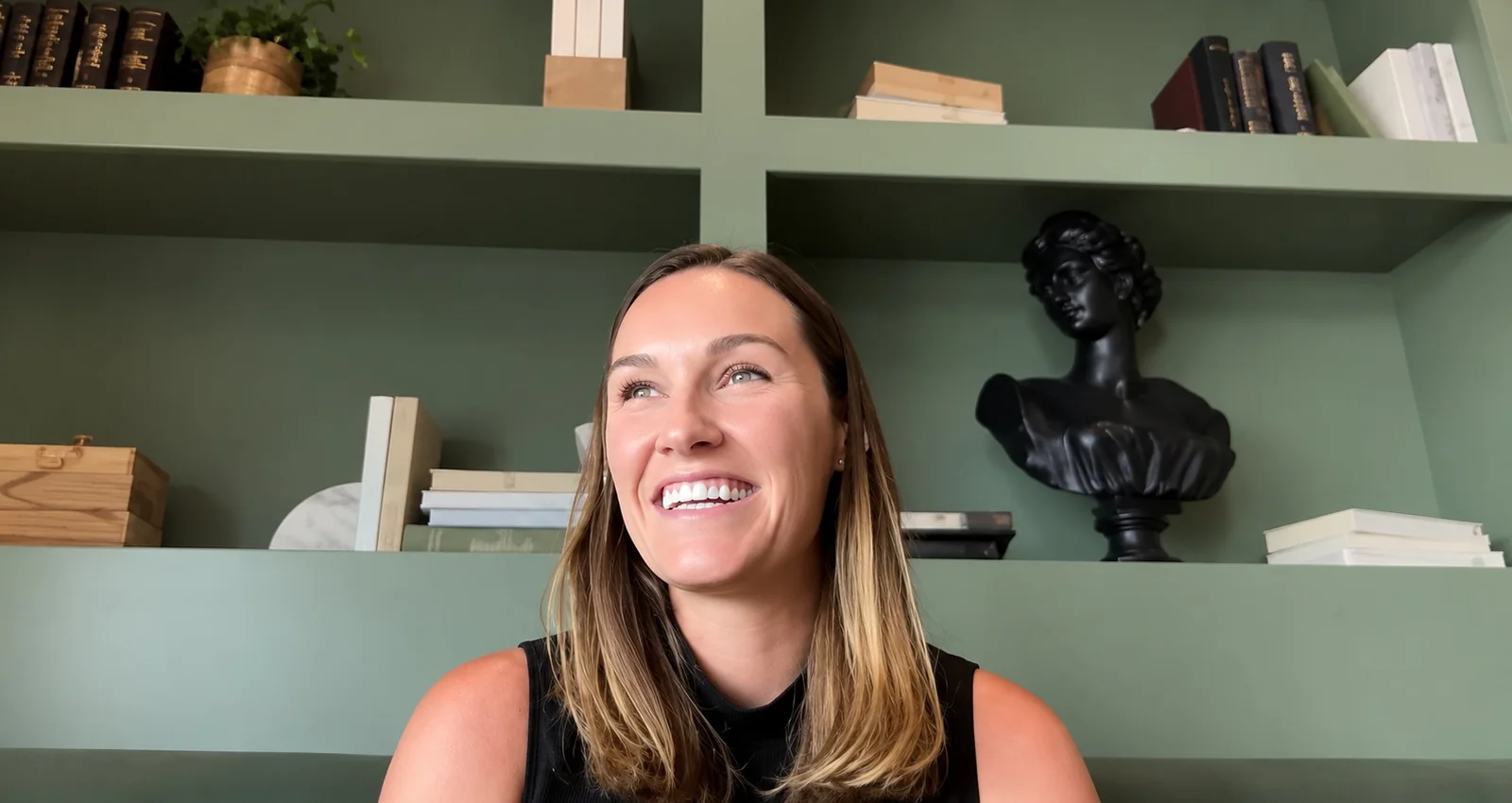
“For addiction treatment, oftentimes loved ones, family members are the ones reaching out about the one in need. And then in the autism space, obviously the parents are advocating for their children.”
What it means for your marketing: write for the person doing the searching. A spouse at a kitchen table at 11pm is asking different questions than a clinician, and different questions again than the person struggling.
How do families choose a treatment center?
On trust, not price. Five things tip the decision: showing up first in search, real images and video, expert content that answers their questions, a site that is easy to use, and a true feel for the in-person experience.
What it means for your marketing: treat these five as a checklist. Most of them are about trust, not price. Real photos beat stock. A clear site beats a clever one.
How important are online reviews for a treatment center?
Very: for most families, reviews are part of the decision, not background. In a 2025 survey of more than 1,000 U.S. patients by rater8, 84% checked online reviews before choosing a new provider, and 61% said negative reviews would outweigh a personal recommendation.
Source: rater8 (2025)
Megan puts trust above price, insurance and location, because of what families are handing over:
“In the autism world, for example, these people are trusting you with their children. And in the addiction treatment world, they’re trusting, sometimes, with their loved one’s life.”
“It’s really important to show that trust, and really build that trust, and showcase what specifically we can do to change people’s lives.”
 Megan PitcherChief Marketing Officer, Oluna

What it means for your marketing: reviews, clinical team pages, accreditation and honest photos are the decision content. Price and insurance answer can I. Trust answers should I. Ask for reviews as a routine part of discharge and alumni contact, and answer every one.
What should a treatment center website include?
Everything a worried family member will look for before they call: who the clinicians are, what a day looks like, what the rooms look like, which insurance you accept, and what happens on the first call. Megan described serious families “looking into the clinical team and what they’re doing,” and wanting “to see pictures of what it’s going to be like,” because “they’re putting themselves in those shoes.”
The audience also changes the content more than it changes the channel. Megan’s view is that the difference is “mainly in the content. It’s not necessarily the ways we reach them.” One program can need separate pages for the parent, for the partner or friend, and for the person themselves, each answering the questions that audience actually types.
How do you market a treatment center without sounding salesy?
Lead with information and empathy instead of a pitch. Families are going to research you anyway, so give them what they are looking for up front, in a voice that sounds like the people they will meet.
“Having that empathy first, having that content first, building trust is really what gets the results.”
Megan PitcherChief Marketing Officer, Oluna
That last point is the one leaders push back on, so it is worth being plain: in our experience the empathetic, information-first approach is not a trade-off against performance. It is what produces the calls and the admits. In Megan’s phrase, empathy and results “shake each other’s hand.”
What it means for your marketing: build content from your own people. At Oluna that starts with an intake covering your mission, values and clinical services, followed by interviews with your clinicians on specific topics. The words on your site should sound like the people a family meets on day one, because they came from them.
How do you know if marketing to families is working?
Track it to the admit. Rankings, clicks and even calls can all rise while census stays flat, so the only honest measure is how many inquiries from each source became clients. Our Chief Technology Officer Adam Scheid, who builds the tracking for our clients, says it in one line:
“Marketing is only as good as your data.”
 Adam ScheidChief Technology Officer, Oluna
That means call tracking and form tracking tied to the source, and admissions confirming which inquiries started care. We cover the full method in how to measure marketing ROI in behavioral health.
Frequently asked questions
How Oluna helps. Oluna is a behavioral health marketing agency that works only with treatment centers, autism services and mental-health providers. We build the things families look for, from SEO and expert content to websites and marketing for addiction treatment centers, and we track every channel through to admits. If you want to know how families are finding your program today, and where they drop off, request a growth audit.
References
- Google. (n.d.). Keyword Planner [Search volume data, United States, September 2025–August 2026]. Google Ads. Retrieved September 16, 2026.
- KFF. (2023, August 15). KFF tracking poll July 2023: Substance use crisis and accessing treatment. https://www.kff.org/other-health/kff-tracking-poll-july-2023-substance-use-crisis-and-accessing-treatment/
- Pitcher, M. (2026, September 15). Interview with A. Vere Nicoll on how families choose care [Recorded interview]. Oluna.
- rater8. (2025, February 12). rater8 study finds that online reviews inform care decisions, but more than half of patients are not leaving them [Press release]. PR Newswire. https://www.prnewswire.com/news-releases/rater8-study-finds-that-online-reviews-inform-care-decisions-but-more-than-half-of-patients-are-not-leaving-them-302374399.html
- Substance Abuse and Mental Health Services Administration. (2025). Key substance use and mental health indicators in the United States: Results from the 2024 National Survey on Drug Use and Health. https://www.samhsa.gov/data/data-we-collect/nsduh-national-survey-drug-use-and-health/national-releases/2024